
Building Smarter from the Ground Up: The Critical Role of Site Planning in Utah
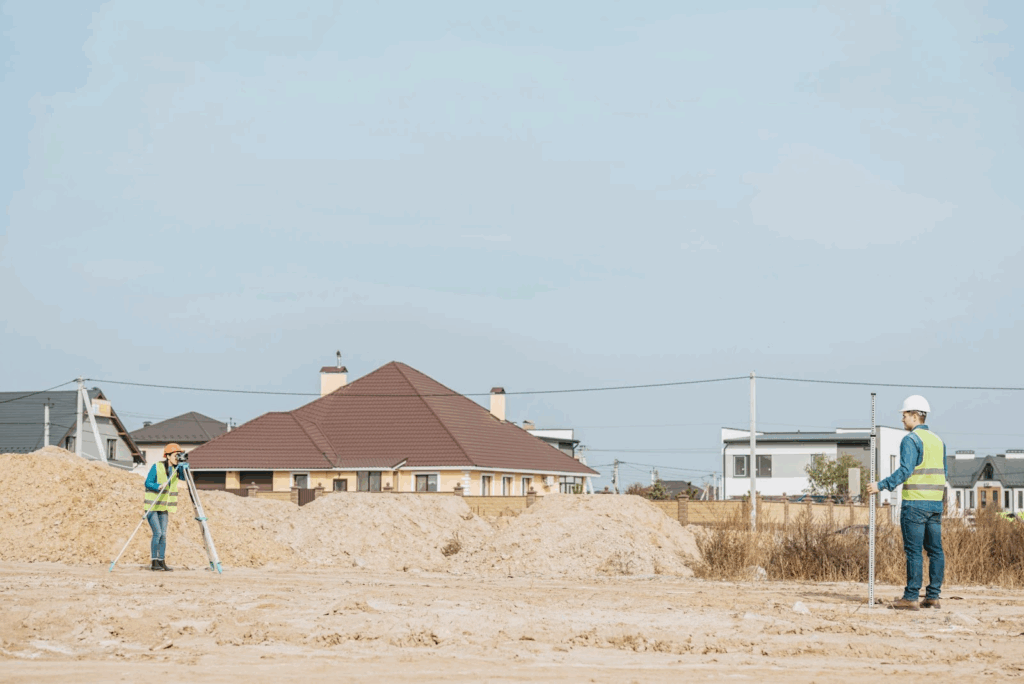
Think civil engineering and surveying are only for large commercial projects? Think again. Whether you're building a custom home in Utah County or launching a new subdivision in Salt Lake City, land surveying and civil engineering are two of the most essential yet often overlooked steps in any successful construction project.
Without accurate surveys and a proper site plan, builders can face preventable problems like poor drainage, unexpected grading issues, utility conflicts, or even failed inspections. In Utah’s unique and often challenging terrain, skipping these early steps can cost you time, money, and long-term property value.
At Highland, our land surveying and civil engineering teams work in sync to ensure your project starts with reliable data and a strategic plan. In this article, we’ll explain how these services work together, clear up common misconceptions, and show you how working with the right team from the beginning can help you avoid costly mistakes and keep your build on track.
Why Early Planning Pays Off in Utah’s Tough Terrain
Common Challenges and Misconceptions About Civil Engineering and Surveying
When it comes to starting a new construction project, site planning is often misunderstood, or worse, completely overlooked. Let’s address a few common misconceptions that can lead to major setbacks if ignored.
Misconception #1: “The Builder Will Handle Everything”
Many property owners assume the general contractor or builder will take care of all site-related planning. While builders manage construction, surveying and civil engineering require specialized expertise to handle site layout, grading, drainage, and utility coordination in compliance with local codes.
Why it matters:
Without accurate survey data and a solid plan, builders may run into zoning issues, terrain challenges, or costly mid-project changes that could’ve been prevented.
Important Note:
In many cases, surveying and civil engineering are required by local building codes, zoning ordinances, or permitting offices. But here’s where the confusion comes in. Property owners often don’t realize it's required until they’re further along. Some think a rough sketch or county map is enough, and others assume their builder will “handle everything.” Unfortunately, relying on minimal information like just a boundary survey or a basic grade plan often backfires when permit offices request revisions or unexpected site issues arise.
Misconception #2: “No Need for Site Planning if the Land Looks Flat”
At first glance, a lot may seem “ready to build.” But appearances can be deceiving. Even small elevation changes can cause drainage problems, unstable foundations, or uneven driveways if not properly addressed.
Why it matters:
Relying on visual inspection alone often leads to expensive regrading, permit delays, and unexpected infrastructure problems during construction.
Misconception #3: “Civil Engineering Is Only Needed for Big Projects”
It’s a common belief that only large developments require professional site design. But in reality, every project, from a single-family home to a multi-lot subdivision, benefits from expert surveying and engineering, especially in a geologically diverse state like Utah.
Why it matters:
Even small residential builds without proper site planning can face zoning violations, poor utility layouts, and reduced property value.
And while some small or rural projects may slip through permitting with the bare minimum, skipping full surveying and engineering can lead to trouble later, especially when issues like drainage, grading, or easements surface mid-build.
How Surveying and Civil Engineering Work Together in New Construction
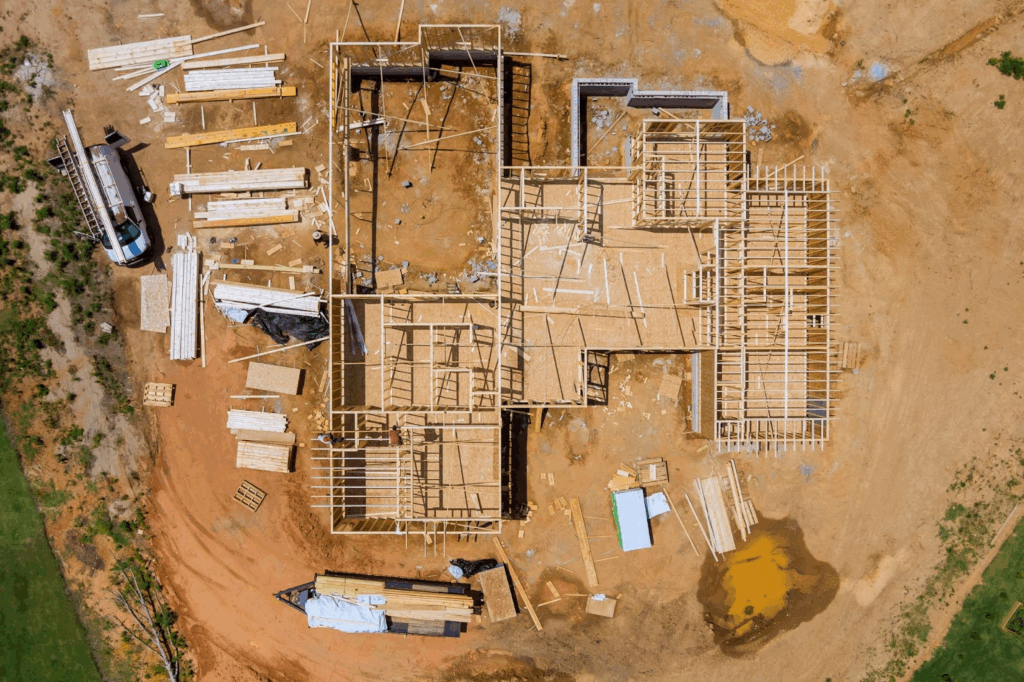
Strategic planning is the foundation of every successful build, and it begins with surveying, then transitions to civil engineering and design. Here’s how Highland guides your project from concept to completion:
Step 1: Start with a Detailed Site Assessment
Before any design work begins, you need to understand the land. This includes:
- A boundary and topographic survey
- Soil testing and analysis
- A review of zoning, setbacks, and land-use regulations
Pro Tip:
Hire a local team that offers both services. At Highland, our surveyors collect precise site data, and our engineers use that information to design solutions tailored to Utah’s unique landscape.
Step 2: Draft a Preliminary Site Plan Using Survey Data
Using the survey results, engineers create a preliminary site layout, including:
- Building and driveway placement
- Grading plans and elevation adjustments
- Utility connections and drainage routes
Pro Tip:
Plan for both current needs and future changes, such as room for landscaping, additional structures, or utility upgrades.
Step 3: Ensure Compliance with Local Codes and Permits
Before construction can move forward, the plans must be reviewed by city or county officials to ensure they meet zoning ordinances and permitting requirements.
Pro Tip:
Our team frequently acts as a liaison between clients and local authorities, expediting approvals and avoiding costly redesigns.
Step 4: Finalize Civil Engineering Plans with Precision
Once preliminary designs are approved, we finalize civil plans that include:
- Grading and drainage layouts
- Utility placement and tie-ins
- Erosion control and stormwater management
Pro Tip:
Review final plans closely to understand how water will move across your site, how elevations impact cost, and where utilities will enter.
Step 5: Provide Ongoing Oversight During Construction
Surveying and engineering don’t stop once the build begins. Our team monitors the site to ensure the contractor follows the approved plans through:
- Construction staking
- Site inspections
- Grading verification
Pro Tip:
Keeping surveyors and engineers involved during construction helps you catch potential problems early and save money on rework.
Why the Highland Approach Matters

Rough layouts from your builder may seem cost-effective, but they can create expensive blind spots. Without a coordinated approach between surveying and civil engineering, you risk:
- Misjudging site slopes, leading to drainage issues
- Overlooking zoning restrictions, easements, or setbacks
- Designing inefficient utility layouts that raise costs
- Failing inspections and delaying permits
- Spending thousands on site corrections or emergency fixes
In rural or unincorporated areas, building departments may not enforce every requirement strictly, and it’s tempting to cut corners. But just because something isn’t tightly regulated doesn’t mean it isn’t critical. We’ve seen firsthand how skipping proper surveying or civil engineering, even on small lots, can lead to water damage, foundation issues, or compliance problems down the road.
Doing it right the first time protects your investment and helps you avoid long-term property headaches.
A Real-World Example: What Happens Without Professional Planning
A Utah homeowner once used online mapping tools to plan a custom home layout. Without a professional survey or grading plan, the home was placed too low on the lot. When spring runoff came, water pooled around the foundation.
The result? Over $15,000 in emergency drainage repairs plus weeks of construction delays.
A professional survey and engineering plan would have cost a fraction of that and prevented the issue altogether.
Build Your Project on a Solid Foundation
Surveying and civil engineering aren’t just technical steps. They’re the key to transforming a raw piece of land into a successful, compliant, and lasting property.
Your land is full of potential. Make sure your construction project brings out the best in it. With the right team on your side, you’ll build smarter, avoid headaches, and create something you can be proud of for years to come.
Start Your Project Right. Contact Highland Today!
If you're ready to break ground on a new construction project in Utah, don’t leave your success up to chance. Partner with Highland Surveying and Highland Civil Engineering for expert services tailored to your land, your goals, and Utah’s unique conditions. Call us today at (801) 340-5640 or request a consultation and learn more.