
An ALTA/NSPS Land Title Survey is designed to uncover legal, physical, and title-related issues that may affect a commercial property. While most property owners expect a clean report, it’s not uncommon for these surveys to reveal surprising or even deal-breaking problems.
In this post, we’ll walk through the most common issues ALTA/NSPS Land Title Surveys identify, what they actually mean for buyers, developers, and lenders, and what you can do about them.
Whether you're reviewing your first ALTA/NSPS Land Title Survey or you’ve seen dozens, understanding these red flags can help you make smarter decisions.
Why ALTA/NSPS Land Title Surveys Uncover Problems Others Miss
Unlike basic boundary surveys, ALTA/NSPS Land Title Surveys are built to meet the strict standards of lenders and title insurers. That means:
- They combine legal records with on-the-ground verification
- They include easements, encroachments, and access issues
- They help confirm that title insurance coverage aligns with reality
If there’s a discrepancy between what’s recorded and what’s visible, the survey will flag it.
Need a refresher on what ALTA/NSPS Land Title Surveys cover? Start with our What Is an ALTA/NSPS Land Title Survey and Who Needs One?
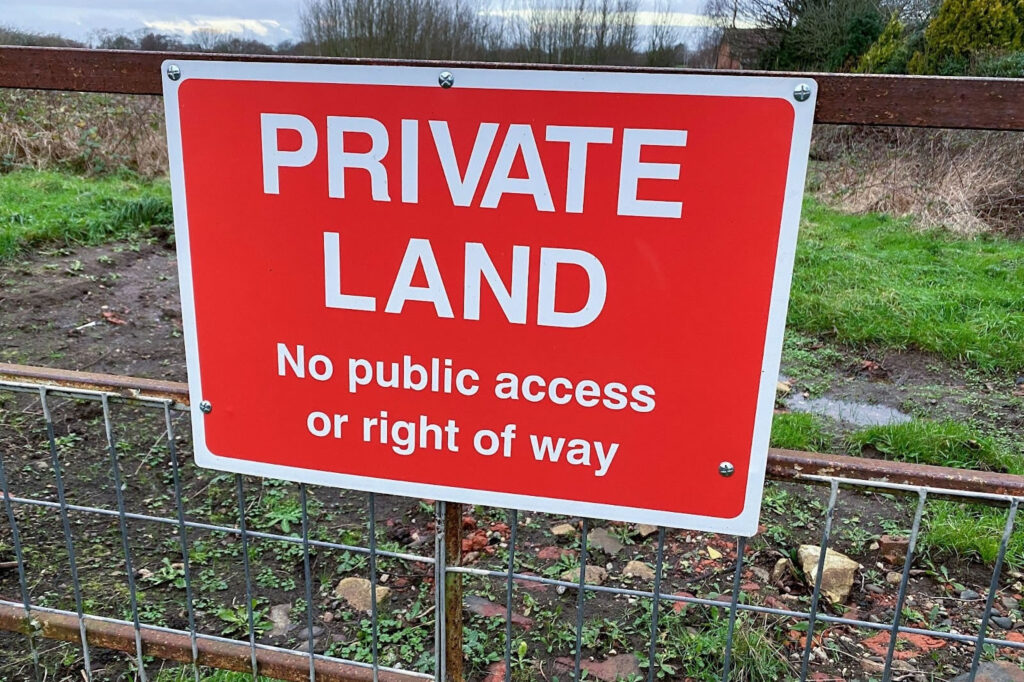
1. Encroachments: When Structures Cross the Line
One of the most common issues found during ALTA/NSPS Land Title Surveys is an encroachment when a physical structure (like a fence, shed, or driveway) extends across a property line or easement.
Why It Matters:
- Can lead to legal disputes with neighboring property owners
- May violate zoning or building codes
- Can delay development or trigger redesigns
Example: A survey reveals a neighboring retaining wall built 3 feet into your lot. You may be liable unless a recorded easement or agreement exists.
2. Unrecorded or Overlapping Easements
Easements give others legal rights to use part of your property (for utilities, access, drainage, etc.). ALTA/NSPS Land Title Surveys often reveal:
- Unrecorded easements in use but not documented
- Overlapping easements that may cause conflict
- Missing easements that create access problems
Why It Matters:
- Your property may not be legally accessible
- Development may be restricted or require rerouting
- Title insurance may exclude these risks
3. Access Issues (Ingress/Egress)
Your property must have legal and physical access to public roads. ALTA/NSPS Land Title Surveys confirm:
- If your driveway is legally recognized
- If your access crosses another property
- Whether shared access agreements exist
Why It Matters:
- Lack of legal access can prevent financing or development
- You may need to negotiate a recorded easement or an alternate route
Not sure how access is defined? Our Complete Guide to ALTA/NSPS Land Title Surveys in Utah explains access, zoning, and Table A items.
4. Title Discrepancies
ALTA/NSPS Land Title Surveys are tied directly to your title commitment. Occasionally, the physical boundaries surveyed do not match the legal description.
Common Issues:
- Gaps or overlaps in legal descriptions
- Conflicting records between adjacent parcels
- Boundary lines that follow outdated or abandoned plats
Why It Matters:
- Title companies may withhold coverage
- Attorneys may need to re-record deeds or resolve claims
- It can delay or cancel closing
5. Zoning Violations or Setback Conflicts
Some ALTA/NSPS Land Title Surveys include zoning data (if requested via Table A). This can reveal:
- Buildings that violate front, side, or rear setbacks
- Non-conforming uses in a zoning district
- Structures too close to property lines or easements
Why It Matters:
- May require costly redesigns or zoning variances
- Can affect insurance and financing approval
- May limit future development
6. Flood Zone Conflicts
If your property lies in or near a FEMA-designated flood zone, the survey will flag it (Table A Item 6).
Why It Matters:
- May require flood insurance
- Can impact development approvals
- Could reduce property value or limit financing
7. Building or Site Features Not Shown in Title Records
ALTA/NSPS Land Title Surveys often identify:
- Unpermitted structures or improvements
- Parking lot expansions not on file
- Drainage ditches, loading docks, or tanks that weren't disclosed
Why It Matters:
- May trigger permit issues or fines
- Can complicate site planning
- Might require updating or amending title documents
What to Do If Issues Are Found
Don’t panic! Most issues are resolvable with the right team. Here’s what to do:
- Review the survey with your title company and attorney
- Determine if the issue is insurable or requires correction
- Negotiate a resolution with the seller if under contract
- Loop in your civil engineer for site-related concerns
- Request updated documents or easements when needed
At Highland Surveying, we’ve helped countless Utah buyers and developers navigate and resolve survey issues before they become deal-breakers.
Final Thoughts
ALTA/NSPS Land Title Surveys exist for one reason: to protect your investment. If problems show up, that’s a sign the system is working, not failing. Understanding what these issues mean can help you stay calm, act quickly, and close with confidence.
Got questions about a recent survey or need help interpreting your results? Call us at (385) 324-7090 or request a quote online to talk to our expert team.