
Unlocking the Role of Grading Plans in Safe, Efficient, and Compliant Land Development Across Utah
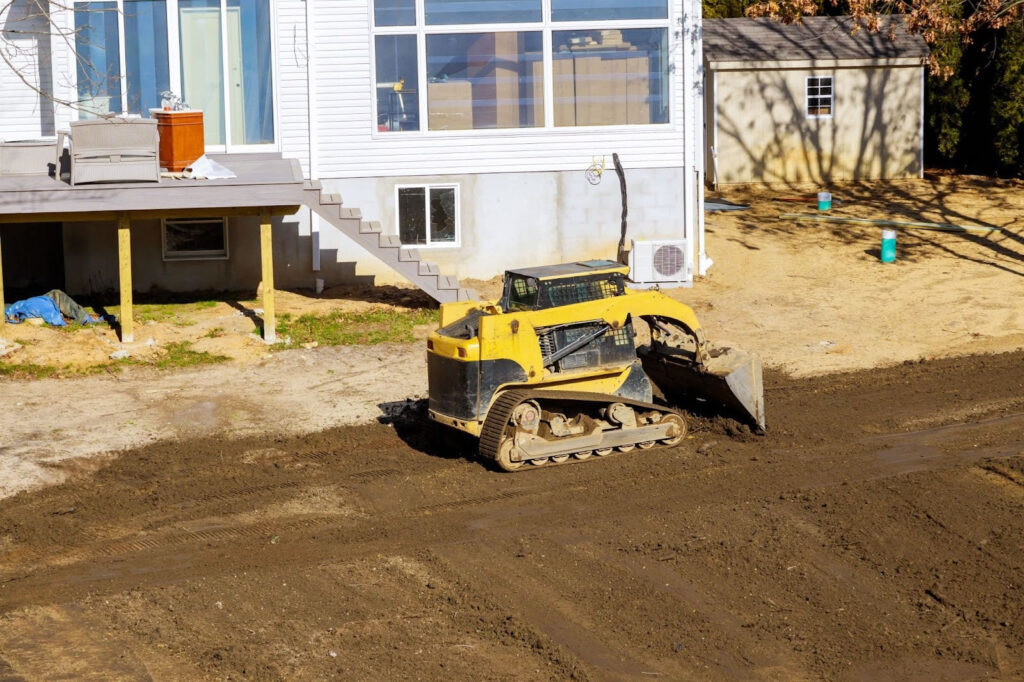
Did you know that a poorly executed grading plan can derail an entire construction project, causing drainage issues, code violations, and even legal setbacks? It’s one of the most overlooked, yet critical, aspects of land development.
Whether you're building a custom home in the Wasatch foothills or preparing a commercial lot in Salt Lake County, understanding how your land is shaped and how it should be shaped is foundational. In Utah’s varied terrain, grading plans are more than lines on paper. They’re a strategic part of land planning that can make or break your project’s success.
In this post, we’ll break down what grading plans are, why they matter to property owners and developers, and how Highland Surveying, through its integrated civil engineering and design services, ensures your land is safe, functional, and development-ready. You'll learn how grading impacts drainage, slope stability, code compliance, and even long-term property value.
Stat to consider: According to the National Association of Home Builders, unexpected site work, often tied to grading and drainage, can increase project costs by up to 15% when not properly planned.
Let’s dig into what a grading plan really involves and why it’s one of the smartest steps you can take before breaking ground.
Common Challenges and Misconceptions About Grading Plans
When it comes to grading plans, there’s a lot of misunderstanding, especially among homeowners and first-time developers. Here are a few common challenges and misconceptions we often see, and why they can cause real trouble if left unaddressed.
1. “It’s just dirt. How complicated can it be?”
Many people assume grading is simply moving soil around to make the land level. In reality, grading plans are precise, engineered documents that account for slope direction, drainage flow, building elevation, and local code requirements. Poor or unplanned grading can lead to flooding, foundation issues, or a failed inspection, costing both time and money to fix.
Why it matters: Without a professional grading plan developed through civil engineering and design, your site could experience improper drainage, leading to erosion, water pooling, or structural damage.
2. Overlooking Local Regulations and Permits
Utah municipalities each have their own set of grading and drainage requirements. Some areas require minimum slope percentages, erosion control measures, or retaining walls. Skipping or underestimating these steps can delay approvals or worse, result in stop-work orders.
Why it matters: A grading plan isn’t just for construction crews. It’s for city engineers and inspectors, too. It needs to prove that your project won’t negatively impact neighboring properties or natural runoff.
3. Assuming the Architect or Builder Handles It
Property owners often assume that grading is automatically included in an architect's blueprints or a builder’s scope. In most cases, it’s not. Grading plans fall under the umbrella of civil engineering and design, and they rely heavily on accurate land surveying to be effective.
Why it matters: If no one is specifically assigned to develop a proper grading plan, it may fall through the cracks, leaving your site vulnerable to delays, rework, and unnecessary costs.
We help clients avoid these common pitfalls by combining our surveying expertise with smart, code-compliant civil engineering and design.
How to Approach Grading Plans: A Step-by-Step Guide for Utah Property Owners
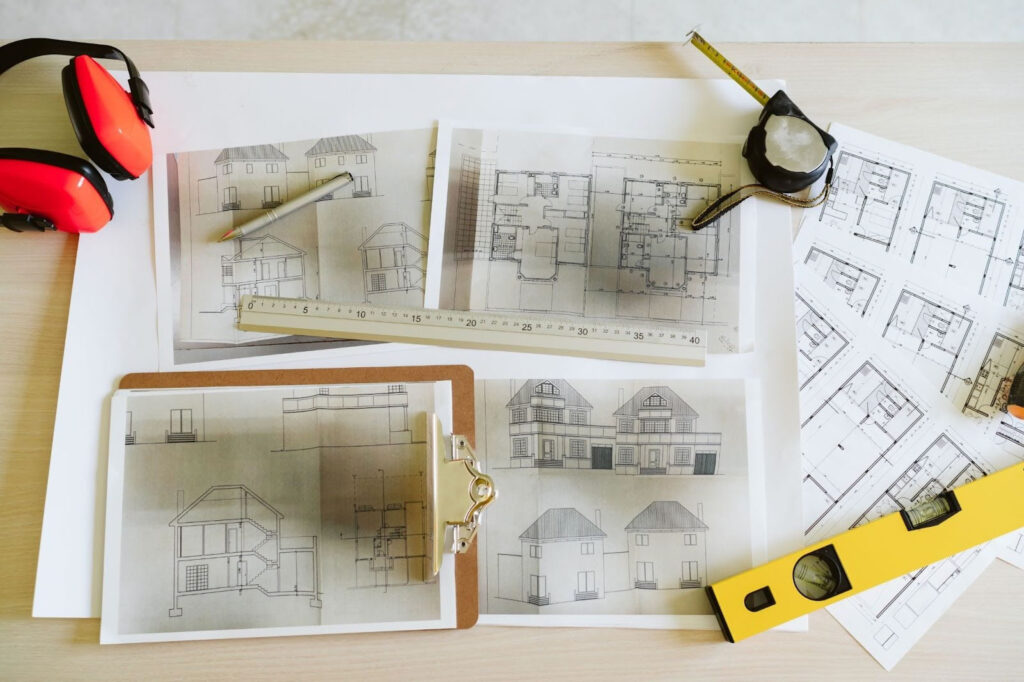
Creating a proper grading plan isn’t just about satisfying permitting requirements. It’s about laying the groundwork for a safe, cost-efficient, and long-lasting project. Here’s how the process typically works, along with best practices we recommend.
Step 1: Start with a Land Survey
Every solid grading plan begins with accurate survey data. A professional land survey captures the existing contours of your site, including slopes, elevation changes, natural drainage patterns, and physical constraints like trees, rocks, or existing structures.
Expert Tip: Choose a civil engineering and design firm that works hand-in-hand with land surveyors. This ensures seamless data transfer and fewer costly mistakes down the line.
Step 2: Define Your Project Goals and Constraints
Before any grading begins, your engineer will need to understand how you plan to use the site. Are you building a home with a walk-out basement? Do you need vehicle access, utility hookups, or stormwater retention?
Best Practice: Identify zoning restrictions, set-backs, and easements early. These elements shape how your land can be graded and developed.
Step 3: Develop a Preliminary Grading Plan
Your civil engineer will use the survey data to create a proposed grading layout that shows how the land will be reshaped. This includes cut-and-fill calculations (how much dirt will be added or removed), slope direction, elevation benchmarks, and proposed drainage flow.
Expert Tip: Ask about value engineering options, ways to optimize the grading for cost savings, such as balancing cut-and-fill to reduce hauling expenses.
Step 4: Address Drainage and Erosion Control
A strong grading plan doesn't just shape the land. It manages water. The plan should include provisions for drainage swales, retention basins, or subsurface systems, especially in Utah's mix of clay soils and sloped terrain. Municipalities may also require temporary erosion control during construction.
Best Practice: Make sure your grading plan integrates with your overall stormwater management strategy. We coordinate both to ensure compliance and long-term functionality.
Step 5: Submit for Permits and Revisions
Once the grading plan is ready, it’s submitted as part of your civil engineering and design package to the local building department. City reviewers may request revisions to meet codes or address environmental impacts.
Expert Tip: Work with a local firm that understands Utah’s regional requirements. We know what local reviewers look for and help expedite approvals.
Step 6: Monitor During Construction
Once approved, the grading plan becomes a guide for contractors. But the work doesn’t stop there. Engineers often perform site visits or as-built surveys to ensure grading is done according to plan.
Best Practice: Don’t skip the follow-up. Verifying finished grades can prevent drainage issues, code violations, and failed inspections later.
A well-executed grading plan is more than a technical document. It’s a proactive investment in your project’s success. We make sure every plan supports your goals while meeting local regulations, protecting your budget, and laying a foundation for future phases.
Why Professional Help Matters for Grading Plans

Grading plans aren’t just another step in the building process. They’re technical, code-driven documents that play a major role in the safety, longevity, and approval of your project. In Utah, these plans must comply with local regulations and be prepared by qualified professionals in civil engineering and design.
The Hidden Complexities of Grading
Many property owners underestimate the complexity behind grading. It’s not just about shaping the land. It’s about accounting for:
- Precise slope and drainage calculations
- Stormwater management and erosion control
- Soil stability and cut-and-fill balancing
- Setback, height, and zoning constraints
Even a small miscalculation in grade elevation or drainage flow can lead to failed inspections, property damage, or construction delays. For example, we recently supported a developer in Utah County whose original plans were flagged by the city due to inadequate stormwater routing. Our civil engineering and design team stepped in, revised the grading plan, and secured fast approval, avoiding weeks of potential delay.
Why Choose Highland Surveying
Grading plans require more than software and surface knowledge. They demand the collaboration of expert surveyors and engineers who understand Utah’s land, codes, and climate.
We offer fully integrated civil engineering and design services that streamline your project from the ground up. Our in-house coordination between land surveyors and engineers ensures your grading plan is accurate, compliant, and optimized for cost savings and long-term performance.
Grading Plans Are the Foundation Beneath the Foundation
Grading plans may not be the most visible part of a project, but they’re one of the most essential. From directing stormwater safely away from your structure to ensuring compliance with local Utah codes, a well-executed grading plan protects your investment and keeps your timeline on track.
Here’s what to remember:
- Grading plans are engineered, not guessed. They require precise survey data and thoughtful civil design.
- They directly impact drainage, safety, code compliance, and even future property value.
- Working with a professional team ensures your plan is accurate, efficient, and approval-ready.
In short, getting the grading right means everything else can move forward with confidence.
Whether you're planning a residential build or preparing a commercial development, we offer the full-spectrum expertise you need in civil engineering and design from survey to site plan.
Ready to take the next step? Learn more about our civil engineering and design services here. Let’s build something solid, starting with the ground beneath your feet.
Ready to Get Started on a Strong Foundation?
A properly designed grading plan isn’t just a technical requirement. It’s the first step in protecting your investment, streamlining approvals, and ensuring long-term site performance. At Highland Surveying, our integrated approach to civil engineering and design ensures your grading plan is accurate, compliant, and aligned with your project goals.
Schedule a free consultation to discuss your project and see how we can support you from the ground up. Contact us at (801) 225-2100 or request a quote online.